24 Subtle Distressed Textures
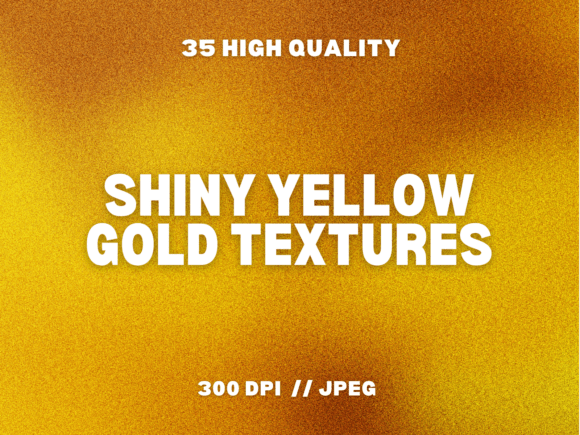
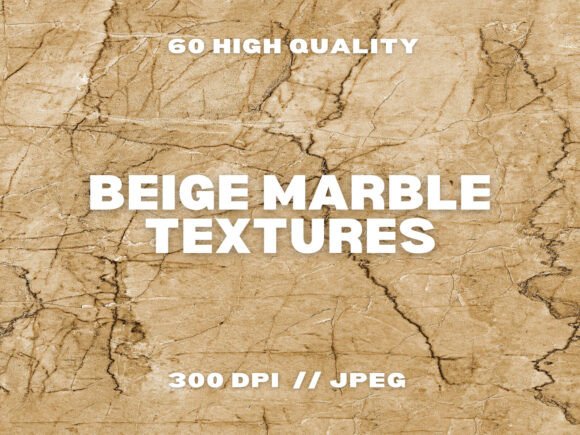
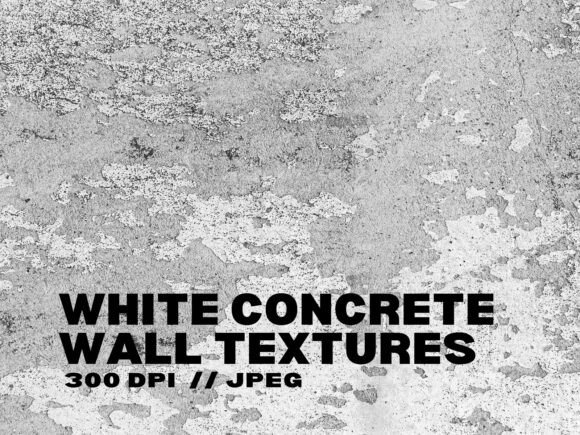
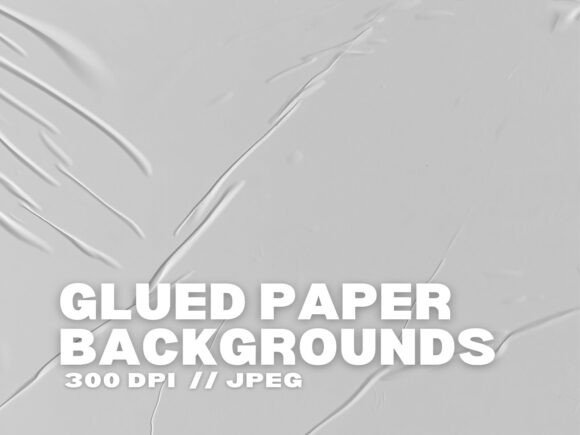
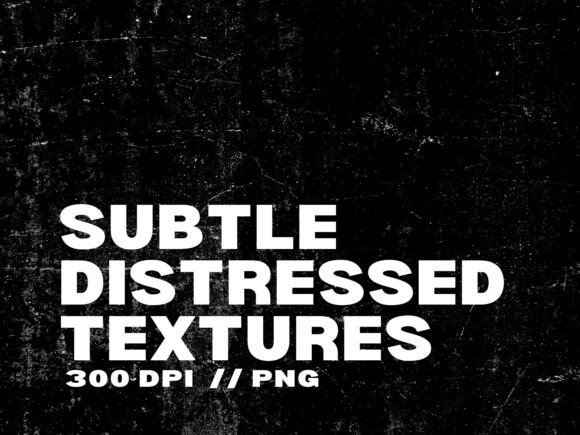
For creators and designers looking to add a touch of character and depth to their work, 24 Subtle Distressed Textures offers a versatile collection of high-quality textures. These subtle effects blend grunge, vintage, and weathered elements, making them ideal for a wide range of creative projects. Whether you're working on branding, packaging, digital art, or print designs, these textures provide a timeless aesthetic that enhances visual storytelling without overwhelming the design.
The collection includes 24 high-resolution JPG files at 300 DPI, ensuring crisp and professional results. Each texture measures 5000x5000 pixels, making them suitable for large-scale projects like posters, banners, or product packaging. Their seamless compatibility with popular design tools like Photoshop, Illustrator, and Canva ensures they integrate smoothly into your workflow. Plus, with an instant digital download, you can start using them right away.
Why Distressed Textures Matter in Design
Distressed textures bring a sense of history and authenticity to modern designs. They can evoke nostalgia, add visual interest, or create contrast against clean, minimalist elements. Unlike bold or exaggerated textures, these subtle options maintain balance while offering a unique visual layer. This makes them particularly useful for designers aiming to create a cohesive and refined look.
One of the key benefits of using distressed textures is their ability to enhance the mood of a design. A vintage texture might give a logo a timeless feel, while a weathered pattern could add grit to a digital illustration. These textures are not just decorative—they serve as a tool to communicate a specific tone or message, helping to connect with audiences on an emotional level.
Applications Across Creative Fields
Graphic designers can use these textures to elevate posters, business cards, and flyers. For instance, adding a subtle paper grain to a poster can make it feel more tactile and authentic, especially when printed. Similarly, a faded border or a slight ink bleed effect can give a design a handcrafted quality that stands out in a digital world.
In branding and packaging, distressed textures help create a memorable identity. A product label with a worn-out look can suggest handmade or artisanal qualities, appealing to consumers who value authenticity. These textures also work well for creating unique logos or icons that have a distinct personality, setting a brand apart from competitors.
Web UI designers can incorporate these textures to add a vintage or grunge aesthetic to websites. A subtle background texture on a blog or portfolio site can create a more engaging user experience without distracting from the content. It’s a great way to introduce visual variety and keep the design from feeling too sterile or generic.
Social media marketers can leverage these textures to make visual content more eye-catching. Instagram posts, Pinterest boards, or blog headers with a distressed look can stand out in crowded feeds. They also help maintain a consistent aesthetic across different platforms, reinforcing brand identity and recognition.
Practical Tips for Using Distressed Textures
When working with distressed textures, it’s important to use them thoughtfully. Start by selecting a texture that complements the overall style of your design. For example, a soft, faded texture may work better for a minimalist layout, while a more rugged texture could suit a gritty, urban theme.
Adjust the opacity and blending modes to ensure the texture doesn’t overpower the main elements. Many design programs allow you to layer textures over backgrounds or text, giving you control over how prominent they appear. Experimenting with different settings can help achieve the desired effect without compromising clarity.
Consider the context of your project when choosing a texture. A vintage texture might be appropriate for a retro-themed campaign, while a more abstract or industrial look could fit a modern, edgy brand. Understanding your audience and the message you want to convey will guide you in selecting the right texture for the job.
Exploring Creative Possibilities
Designers can combine multiple textures to create layered effects. For example, overlaying a subtle paper texture with a faint ink stain can add depth and complexity to a design. This technique works well for creating custom backgrounds or enhancing illustrations with a more organic feel.
Another approach is to use distressed textures as a base for digital paintings or photo manipulations. A weathered background can serve as a foundation for adding color, patterns, or other elements, allowing for a more dynamic composition. This method is especially effective for creating editorial spreads or artistic prints.
Print merchandise is another area where these textures shine. Applying a subtle texture to apparel, stationery, or album covers can give them a more distinctive and personalized look. It’s a great way to add uniqueness to products without requiring complex design elements.
Choosing the Right Texture for Your Project
Not all distressed textures are created equal. Some may have a more pronounced grain, while others offer a softer, more delicate finish. When selecting a texture, consider the scale and purpose of your project. A high-resolution file ensures that the texture remains sharp even when used in large formats, such as billboards or banners.
It’s also helpful to test textures in different contexts. View them at various sizes and against different colors to see how they interact with the rest of your design. This practice helps identify which textures work best for your specific needs and avoids potential issues during the final output.
Finally, remember that less is often more. A single well-chosen texture can have a significant impact, while overusing them can lead to cluttered or confusing designs. Focus on using textures strategically to enhance, rather than complicate, your creative work.